
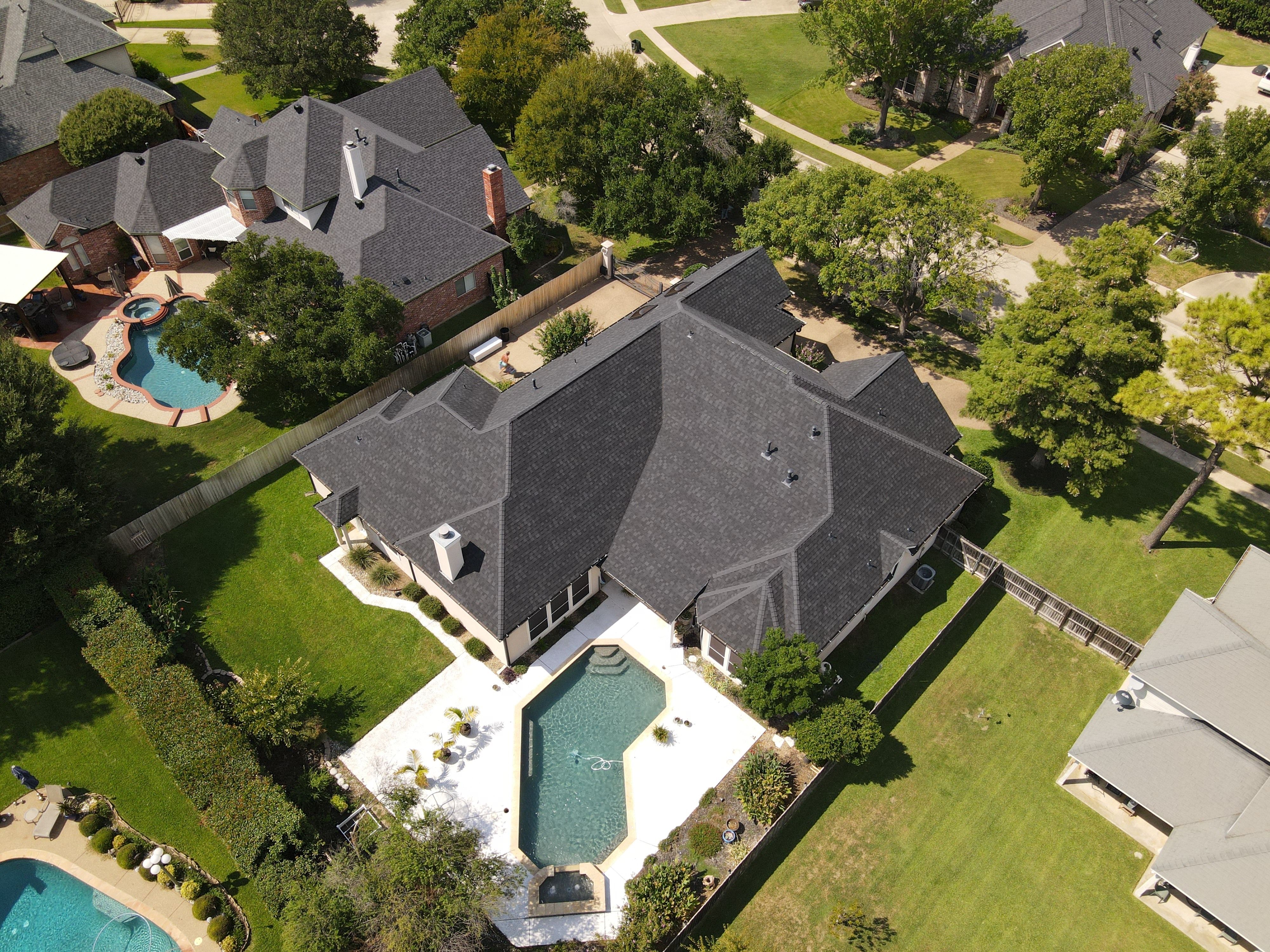
DFW Hail Season Roofing Guide: What Every Commercial Property Owner Needs to Know
Last updated: September 2026 · By Ultra Roofing Team
Texas ranks first in the nation for hail frequency, and the Dallas–Fort Worth metroplex sits in the heart of the most active corridor. A single hail storm cell can cause significant insured losses across the region. For commercial property owners in Tarrant and Dallas counties, hail is not a theoretical risk—it's a recurring operational reality that requires planning, preparation, and a solid roofing strategy.
This guide walks you through hail season timing, the damage thresholds that trigger insurance claims, how to protect your property before a storm hits, and what to do in the critical 72 hours after an event. Armed with this knowledge, you'll make smarter decisions about your commercial roof and be better prepared if the worst happens.
When Is Hail Season in DFW?
6–8
Damaging Events/Year
Average for DFW
65%
April–June
Peak season concentration
Oct
Secondary Peak
Secondary season timing
Key Facts
- • Primary season: March–June (April and May are peak)
- • Storm trigger: Gulf air colliding with cold fronts descending from Rockies
- • Timing consideration: If your roof is 10–15+ years old or took hits in prior seasons, schedule an inspection before April
What Hail Size Causes Commercial Roof Damage?
Swipe to see all columns
| Hail Size | Description | Roofing Impact |
|---|---|---|
| 3/4 inch (dime) | Minimum insurance threshold | Granule loss on asphalt; minor membrane marking |
| 1 inch (quarter) | Standard damage threshold | Measurable impact marks on TPO/EPDM; flashing damage |
| 1.5 inch (golf ball) | Significant storm | Membrane puncture risk on TPO/EPDM |
| 2+ inches (baseball) | Major event | High likelihood of membrane penetration; deck exposure possible |
Important: For TPO and EPDM commercial roofs, impact marks may not be visible from ground level—but hidden bruising and micro-tears become active leak points over following months.
Pre-Hail Season Checklist
Schedule professional roof inspection before April
Identify vulnerabilities while contractor availability is good
Clear all roof drains and scuppers
Ensure water can flow off the roof quickly after heavy rain
Document current roof condition with photographs
Pre-storm baseline proves condition before damage occurs
Review commercial insurance policy
Confirm wind/hail deductible, Ordinance & Law coverage
Verify roofing contractor contact information
Response times increase significantly after major events
What to Do in the 72 Hours After a Hail Event
Do not go on the roof yourself
Roof access is hazardous; let professionals handle the inspection.
Document from the ground
Photograph gutters, HVAC units, vents, skylights. Look for dents, damage to visible equipment.
Note the storm date
Cross-reference NOAA storm event records to confirm timing and event severity.
Call Ultra Roofing for free emergency inspection
We provide fast post-storm assessments with written reports for insurance claims.
Contact your insurance carrier
File your claim with documentation and contractor report in hand.
Authorize emergency tarping if needed
If there are active leaks, protect the interior from water damage immediately.
Why DFW Commercial Property Owners Get Underpaid on Hail Claims
Common Underpayment Patterns
- •
Desk adjusters who never physically inspect the roof
They approve repair estimates based on photos and phone calls, missing hidden damage.
- •
Damage attributed to "wear and tear" rather than storm cause
Adjusters deny legitimate damage claims by claiming pre-existing conditions.
- •
Scope limited to visible punctures while seam failures and insulation saturation are overlooked
The estimate covers obvious holes but misses the structural damage underneath.
- •
Missing Ordinance and Law supplements
Modern roofing codes require upgrades (insulation, slope) not covered in basic claim estimates.
Your best protection: Having an independent contractor inspection report before the adjuster arrives is your most effective defense against underpayment. When we inspect your roof post-storm, we document the full scope of damage—visible and hidden—and provide a written report that supports your claim and backs up your ask.
Schedule Your Free Pre-Season Roof Inspection
Don't wait until after a storm. Identify vulnerabilities before hail season hits.
Frequently Asked Questions
When is hail season in Dallas–Fort Worth?
DFW hail season peaks April through June (~65% of significant hail events in Tarrant County). Secondary season is October. Schedule pre-season inspections before April each year.
How do I know if my commercial roof was damaged by hail?
Hail damage to TPO and EPDM commercial roofs is often not visible from ground level. Watch for: new interior leaks after a storm, denting on HVAC units or metal flashing, granule accumulation in drains. A professional inspection is the only reliable confirmation method.
Does hail damage commercial TPO roofs?
Yes. Hail 1 inch and larger can cause impact marks, micro-tears, and seam stress in TPO membranes. These may not produce immediate leaks but become active failure points over following months.
How quickly should I file a hail damage claim for my commercial building in Texas?
File as soon as your documentation is in order. Texas law gives you two years from the storm date, but individual policies may have shorter reporting requirements.
Does Ultra Roofing offer emergency roof inspections after DFW hail storms?
Yes. Ultra Roofing provides free emergency post-storm commercial roof inspections across Irving, Fort Worth, Arlington, Dallas, Grand Prairie, and surrounding DFW cities, with written reports suitable for insurance claim submission.
Ready to Get Started?
Request a free inspection and we'll follow up to schedule a time that works for you.
Schedule Your Free Roof Inspection
Complete the form below and we'll contact you within 24 hours.